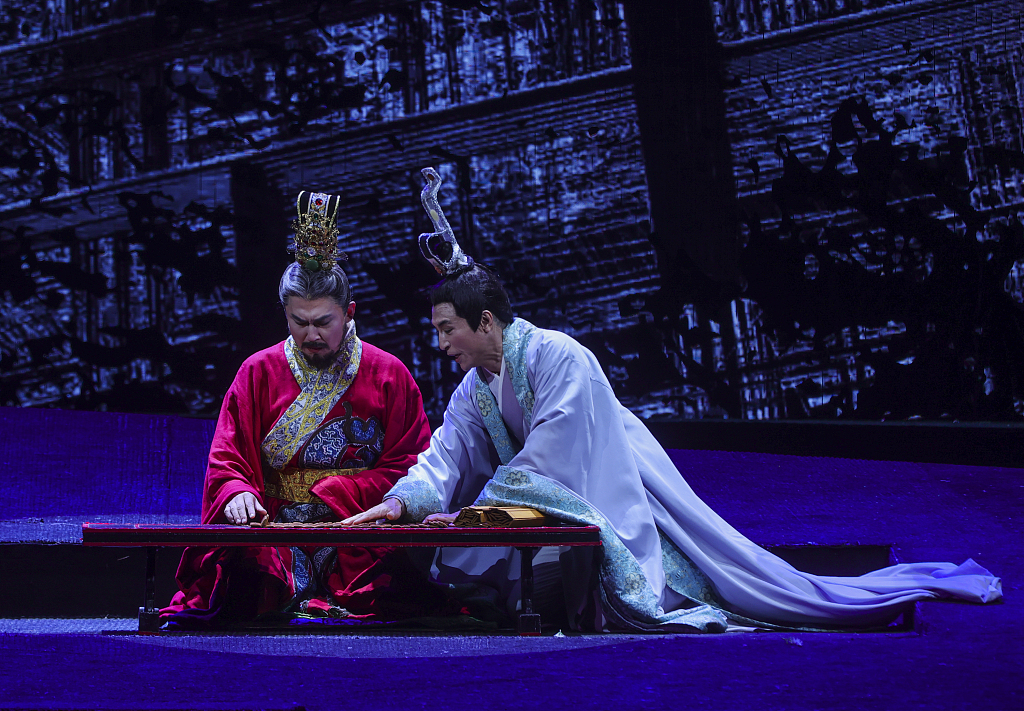
Qu Yuan
Introduction
Qu Yuan, a prominent figure in Chinese history, is celebrated as a patriotic poet and minister from the State of Chu during the Warring States Period (475-221 BC). Renowned for his profound contributions to Chinese literature and his unwavering patriotism, Qu Yuan has left an indelible mark on the cultural fabric of China. He is widely regarded as the father of Chinese romantic literature, a title earned through his innovative poetic expressions that combined personal emotion with profound political reflection. His works are collected in the famous anthology "Chu Ci," or "Songs of Chu," which encapsulates his deep love and concern for his country and its people.
The legacy of Qu Yuan is commemorated through the annual Dragon Boat Festival, also known as Duanwu Festival, celebrated on the fifth day of the fifth month on the Chinese lunar calendar. This festival, marked by dragon boat races and the eating of zongzi (glutinous rice dumplings), serves as a tribute to Qu Yuan's life and his tragic demise by suicide in the Miluo River. His story exemplifies loyalty and self-sacrifice, themes that resonate deeply with the Chinese ethos. Qu Yuan's cultural impact extends beyond literature and is a testament to the enduring nature of his contributions to Chinese identity and heritage.
Early Life
Qu Yuan was born in the ancient State of Chu, located in present-day Hubei province. His early life was characterized by a privileged upbringing, allowing him access to education and the opportunity to become deeply immersed in the culture and politics of his time. Qu Yuan was known for his intelligence and charisma, traits that would later earn him a position as a trusted minister in the court of King Huai of Chu. His education fostered a love for literature and an understanding of political affairs, which were integral to his later works and influence.
Despite his noble status and contributions to the state, Qu Yuan faced numerous challenges and intrigues within the Chu court. His efforts to formulate alliances and propose reforms were often met with resistance and jealousy from other court officials, who sought to undermine his influence. These political struggles deeply affected Qu Yuan, shaping his worldview and inspiring the themes of loyalty and sacrifice evident in his poetry. His early experiences provided a foundation for his enduring legacy as a poet and statesman, reflecting the complexities of human emotion and the harsh realities of political life in ancient China.
Literary Contributions
Qu Yuan’s literary contributions are considered cornerstones of Chinese romantic literature. His works, characterized by rich imagery and emotional depth, introduced a new era of personal expression in Chinese poetry. Qu Yuan's ability to convey complex emotions and his innovative use of language set a precedent for future poets, making his works timeless and universally admired.
Qu Yuan's most celebrated works are compiled in the "Chu Ci" anthology, also known as "Songs of Chu." Among these, "Li Sao," or "The Lament," is the most renowned, depicting Qu Yuan’s personal anguish and his unwavering patriotism. This lengthy poem blends mythology, allegory, and autobiography, offering insights into the poet’s inner turmoil and his visionary ideals. Other notable works include "Jiu Ge" ("Nine Songs") and "Jiu Zhang" ("Nine Pieces"), which further explore themes of loyalty, exile, and devotion.
Qu Yuan's poetry is distinguished by its vivid imagery and emotive language. His themes often revolve around loyalty, patriotism, and the conflict between personal integrity and political corruption. The style of his writing reflects a deep connection to nature and mythology, weaving together personal and cosmic narratives that resonate with readers across generations. His innovative use of first-person perspective introduced a level of personal introspection that was revolutionary for his time, influencing countless poets and writers who followed in his footsteps.
Influence and Legacy
Qu Yuan's influence extends well beyond his literary contributions; he is venerated as a symbol of patriotism and moral integrity in Chinese culture. His life and works have inspired generations of poets, writers, and artists, solidifying his status as a cultural icon. The Dragon Boat Festival, celebrated annually, keeps his memory alive and underscores his lasting impact on Chinese traditions and societal values.
Qu Yuan's legacy is also evident in the numerous artistic portrayals of his life, including dramas, operas, and modern adaptations that explore his enduring relevance. His story continues to inspire scholarly research and public interest, underscoring the timelessness of his contributions to literature and the cultural heritage of China. His life serves as a poignant reminder of the power of literature to effect change and the enduring strength of conviction and courage in the face of adversity.








